



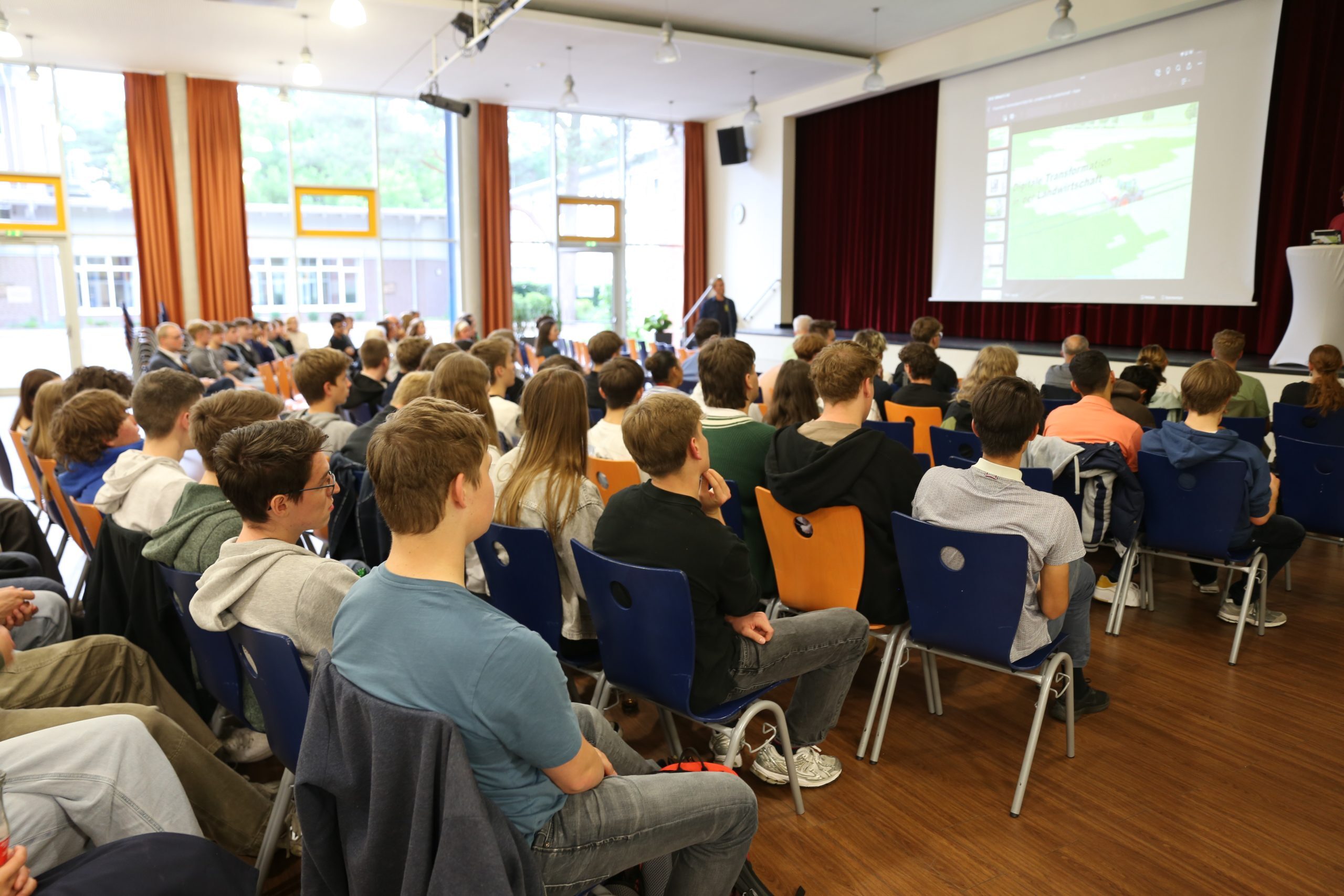
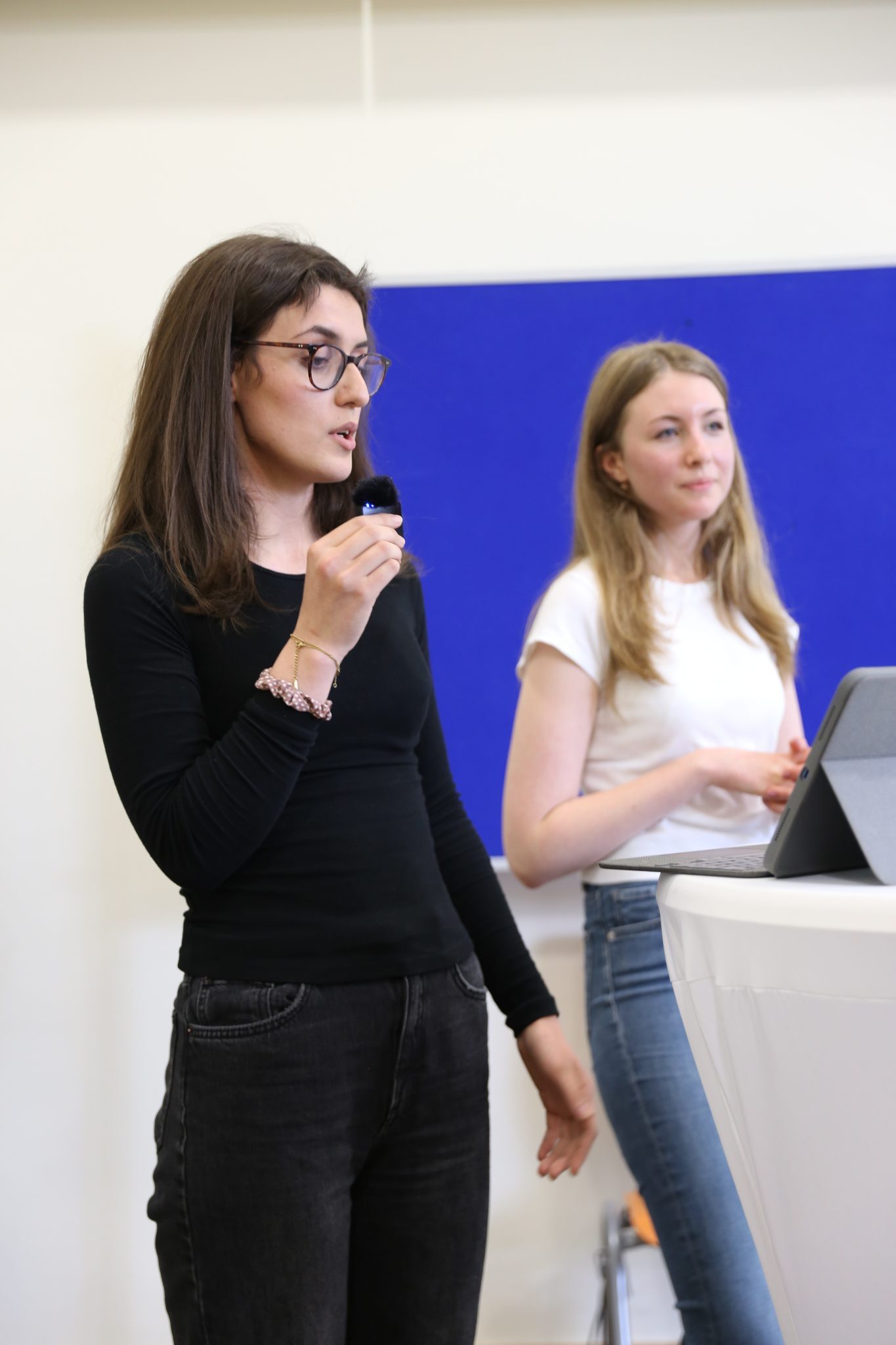
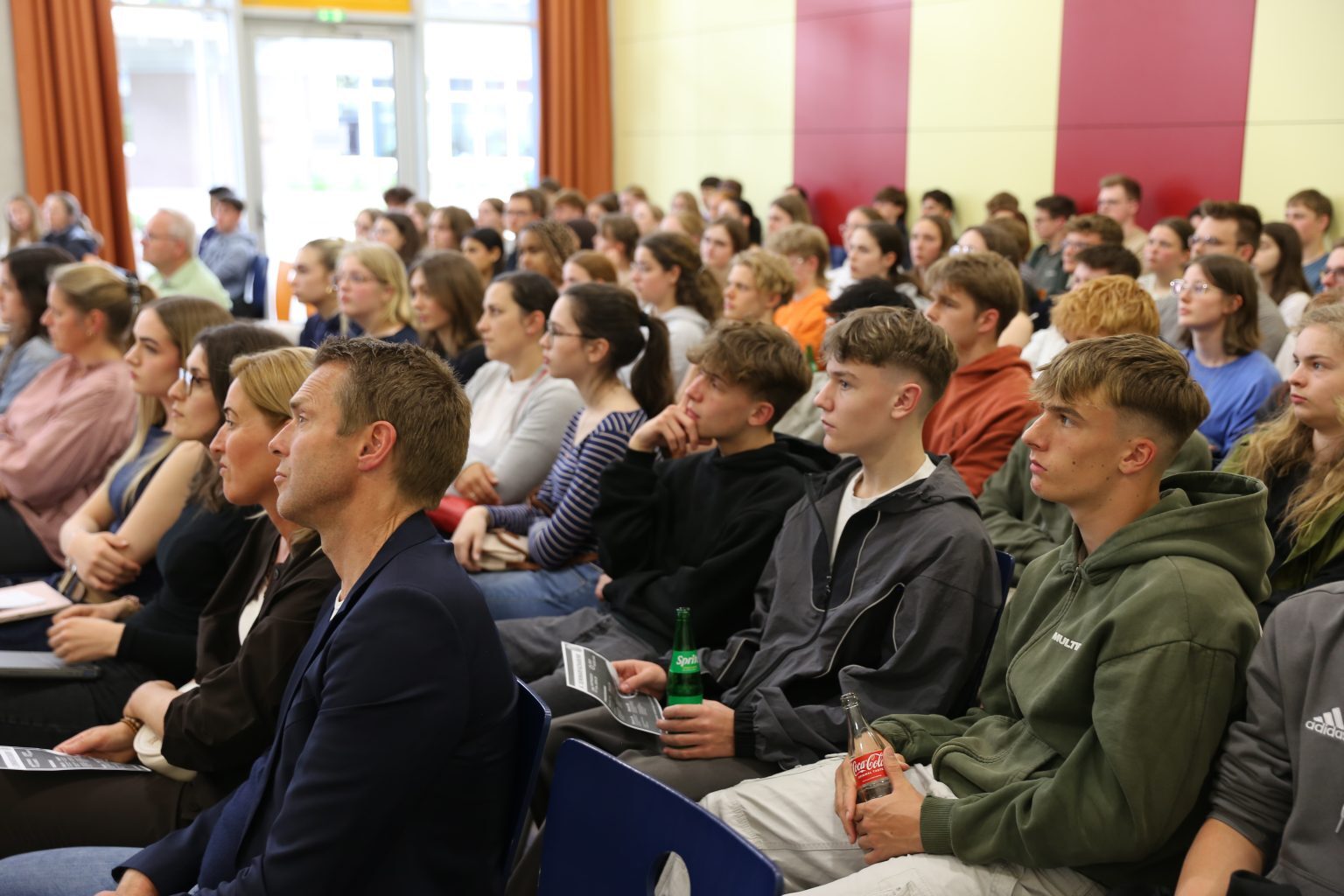
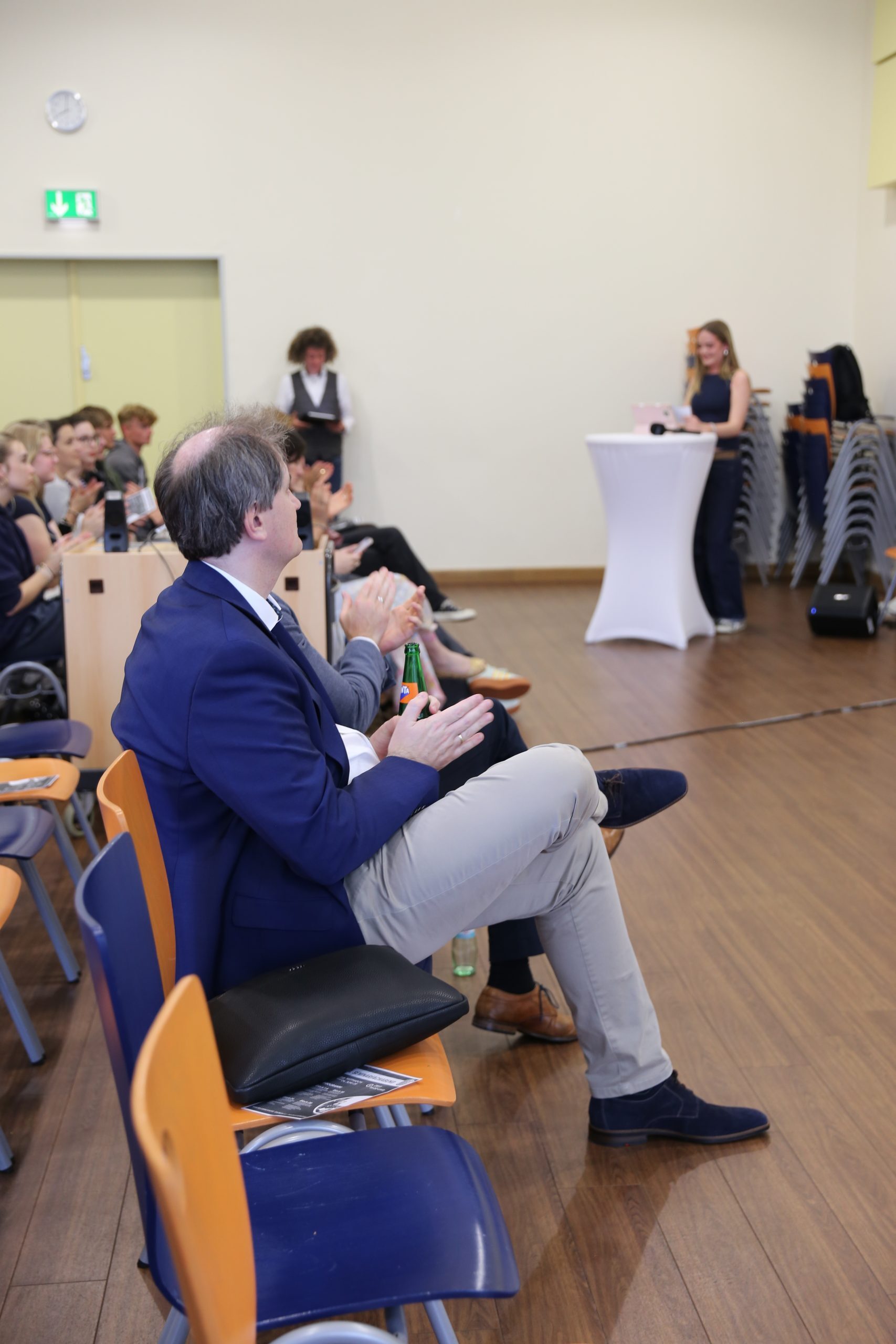
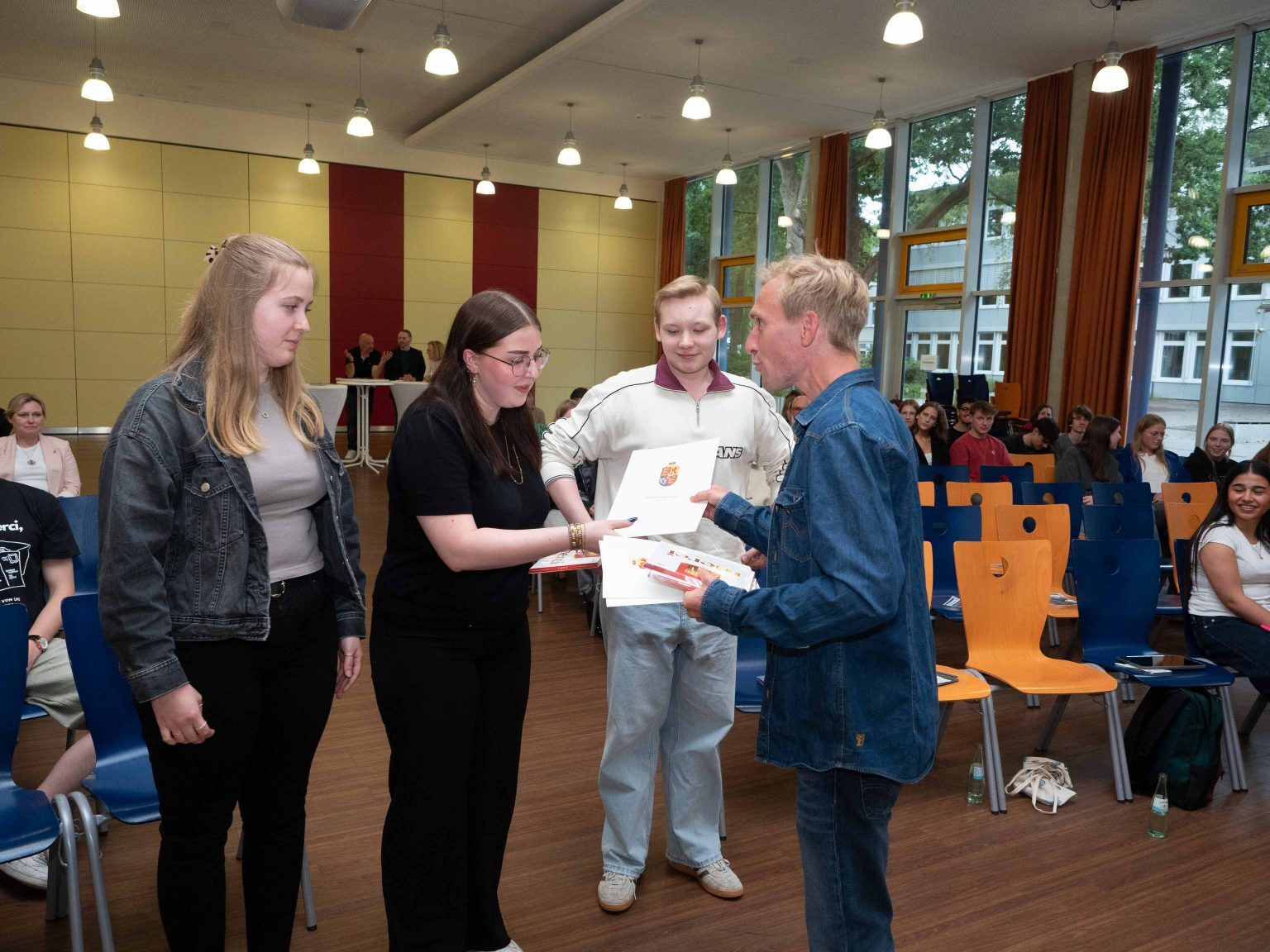
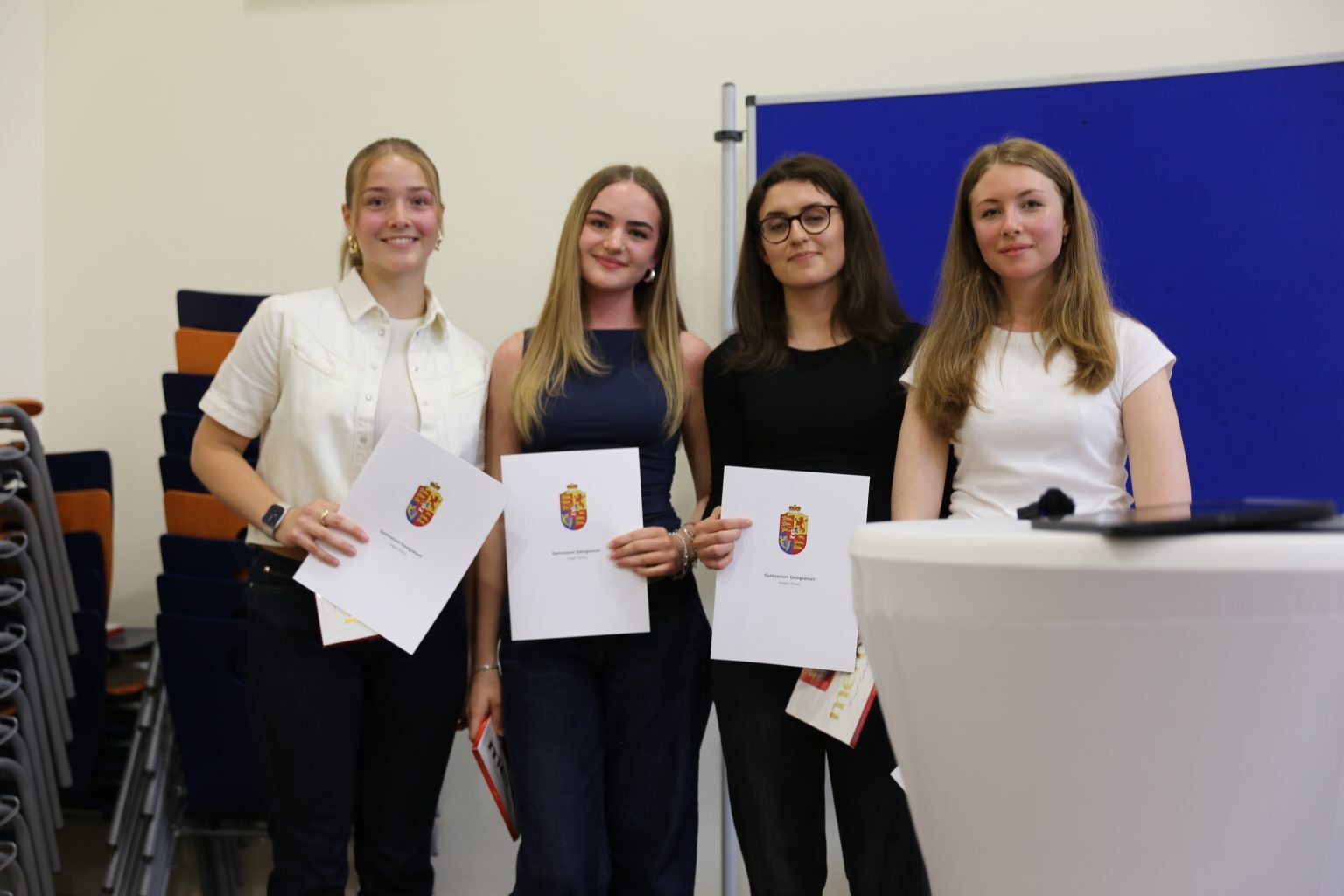
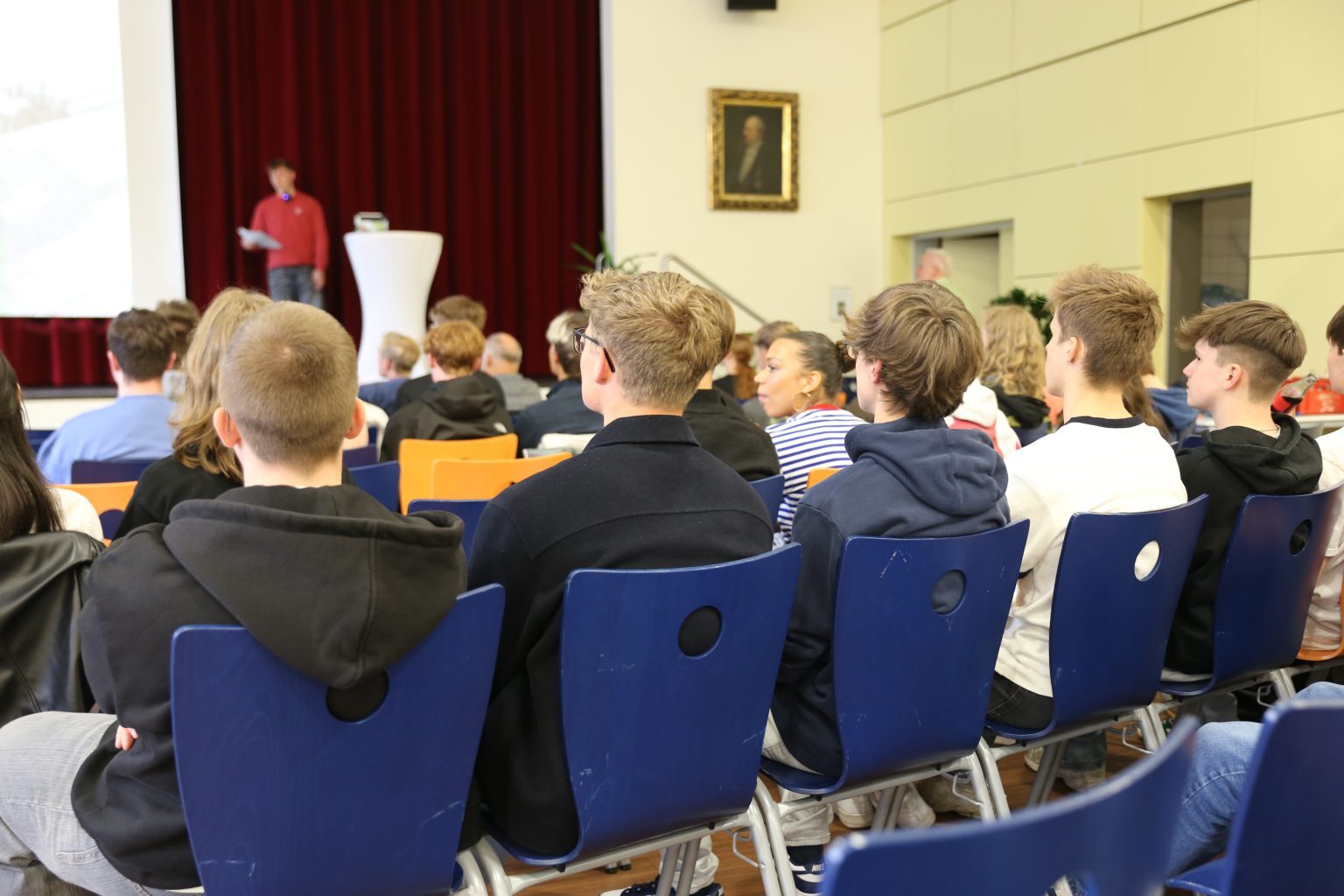
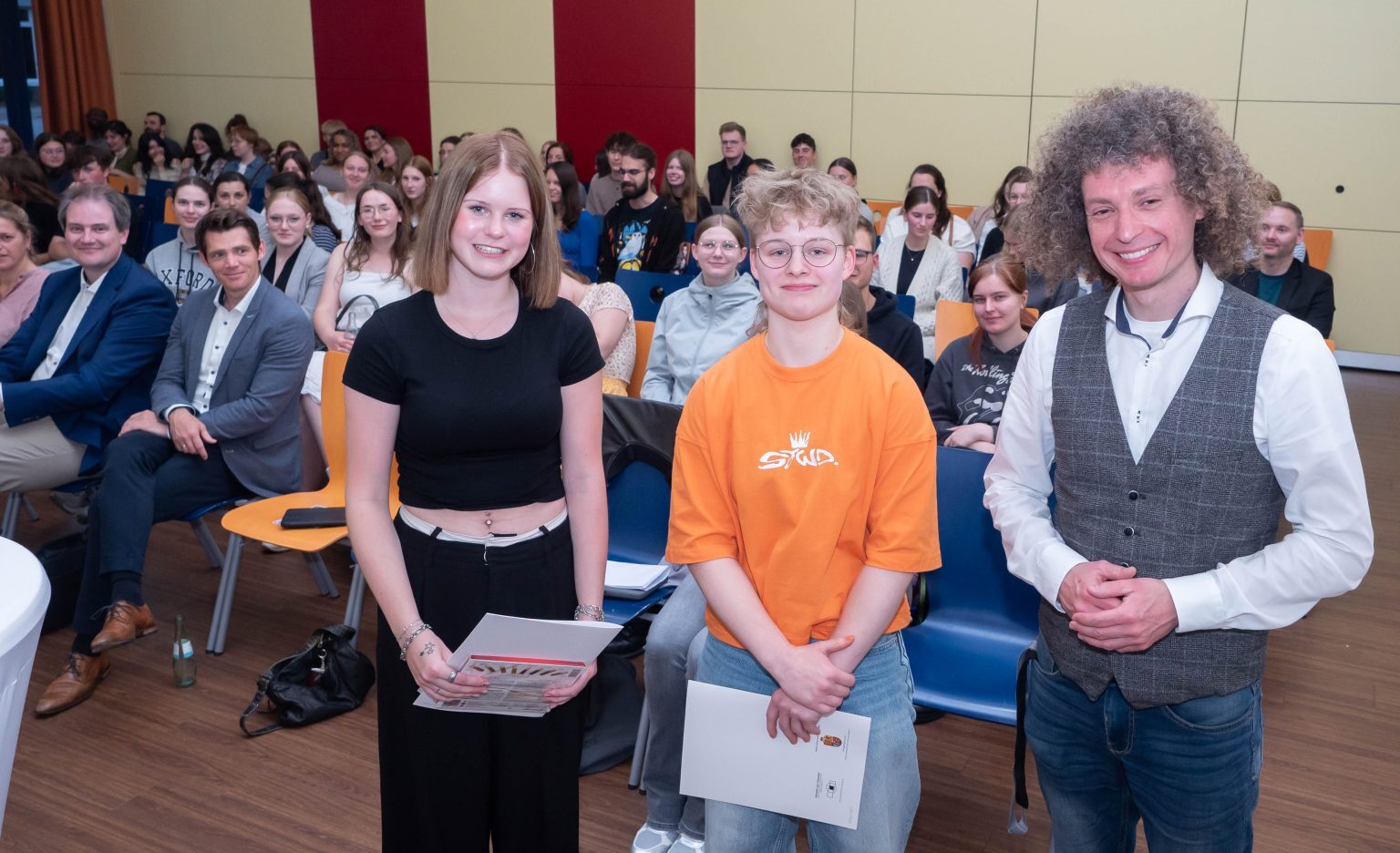
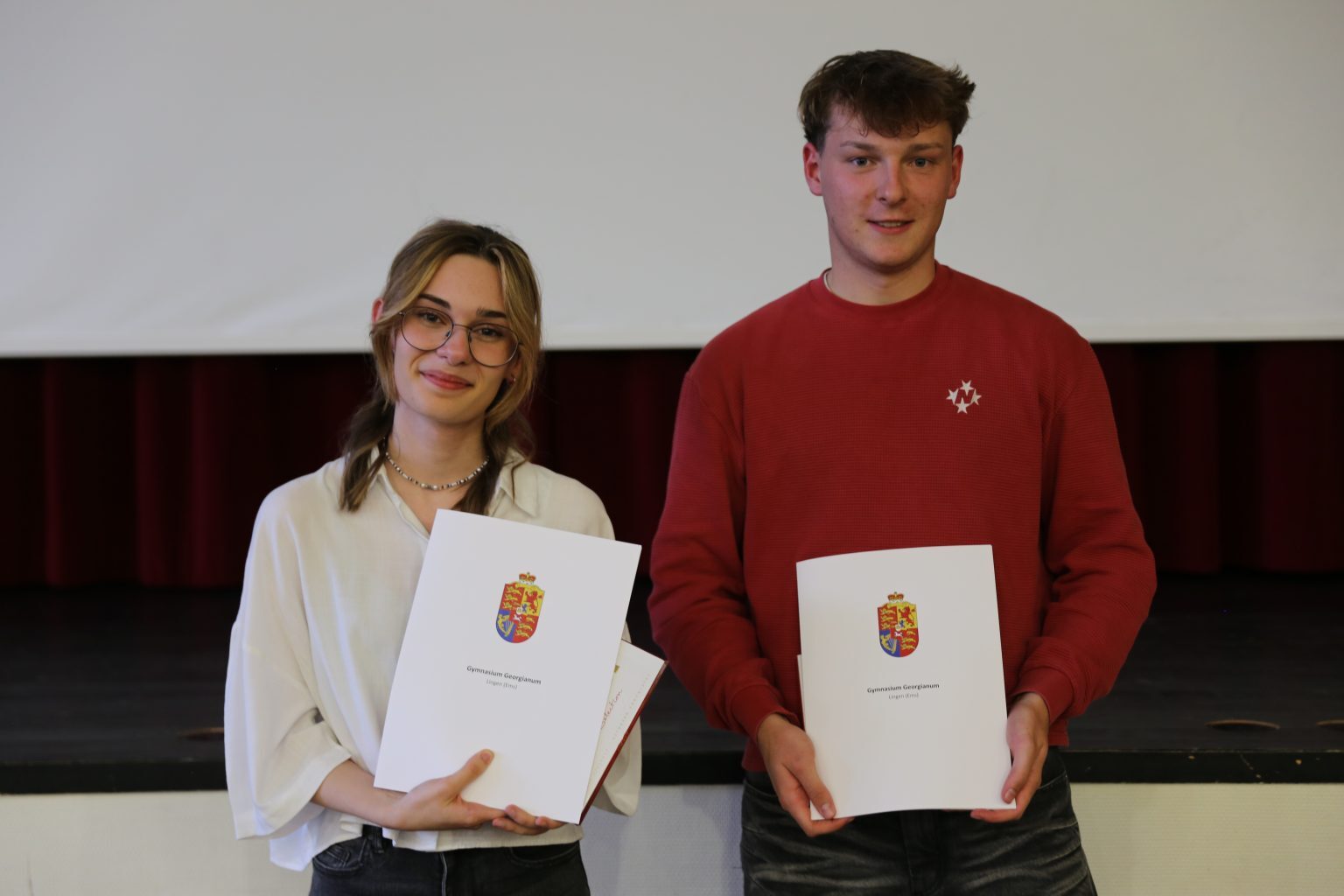
During the introductory presentation, teachers Alexander Neubauer and Martin Glosemeyer pointed out that seminar subjects in Lower Saxony schools offer both teachers and pupils the freedom to work intensively and with motivation on topics of their own choosing. The knowledge gained is an important step towards academic work. Despite complaints, the Ministry of Education and Cultural Affairs has decided to abolish the seminar subject. But that played a minor role that evening. The ten speakers gave their presentations with such passion that at times it gave the audience goosebumps, because their words were moving and thought-provoking.
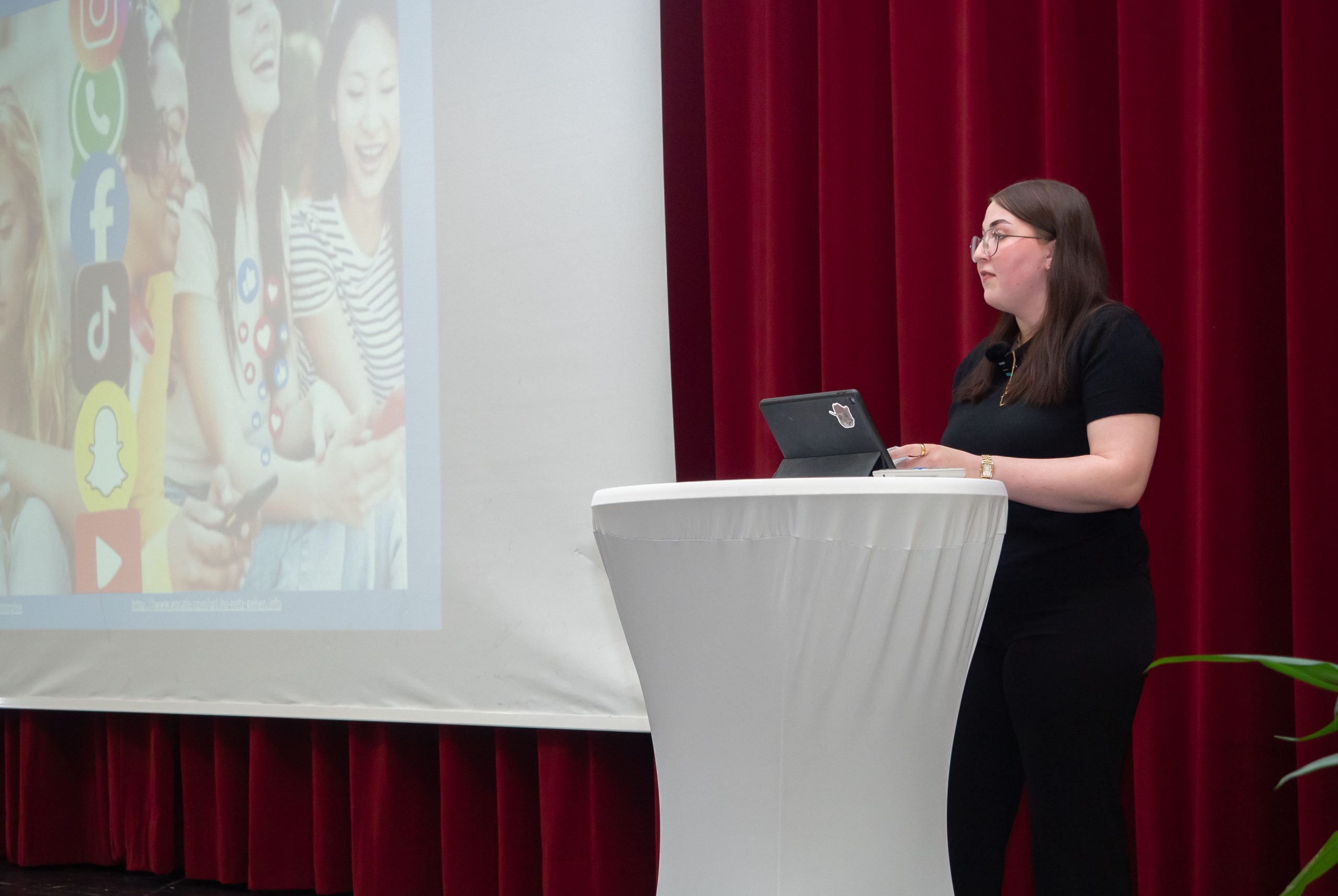
Katharina Schukowski's research paper examined the influence of social media on the social behaviour of children and young people. She highlighted both positive and negative effects. Her presentation focused on media literacy, self-reflection and dealing with digital content. She emphasised how strongly social media shapes the thinking and behaviour of young people and how important it is to promote responsible use of social media.
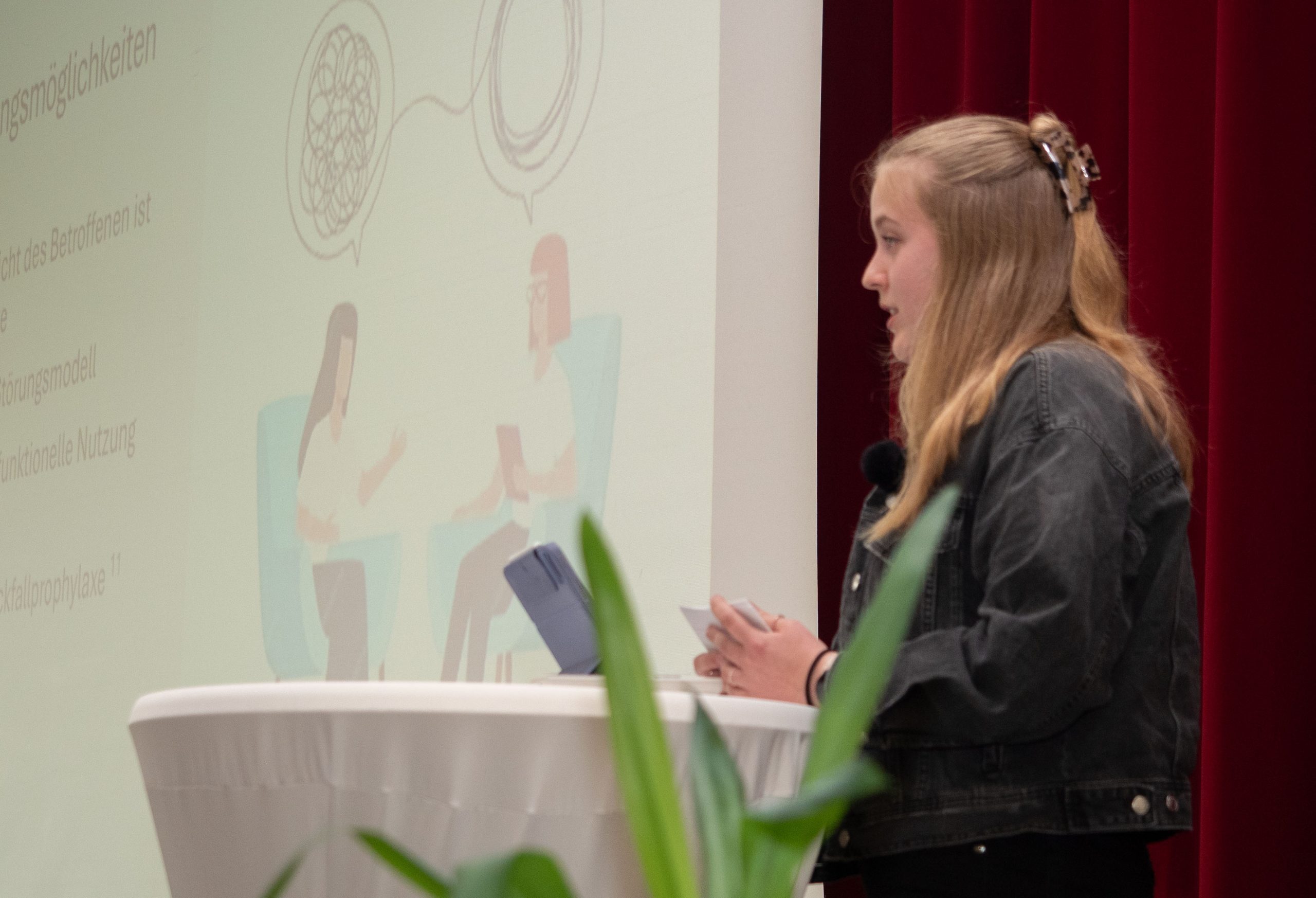
In her presentation, Femke Hollender outlined the causes, treatment options and effects of internet addiction in adolescence, as this is a common problem among young people. She pointed out that several factors must come together for an addiction to develop and that genetic predisposition alone is not sufficient. However, once caught in the trap of addiction, Femke provided insights into the options available for escaping it. "With the right therapy, young people can recover from addiction and do not necessarily have to suffer lifelong consequences, although it is a personal decision whether one ever considers oneself completely cured," said Femke.
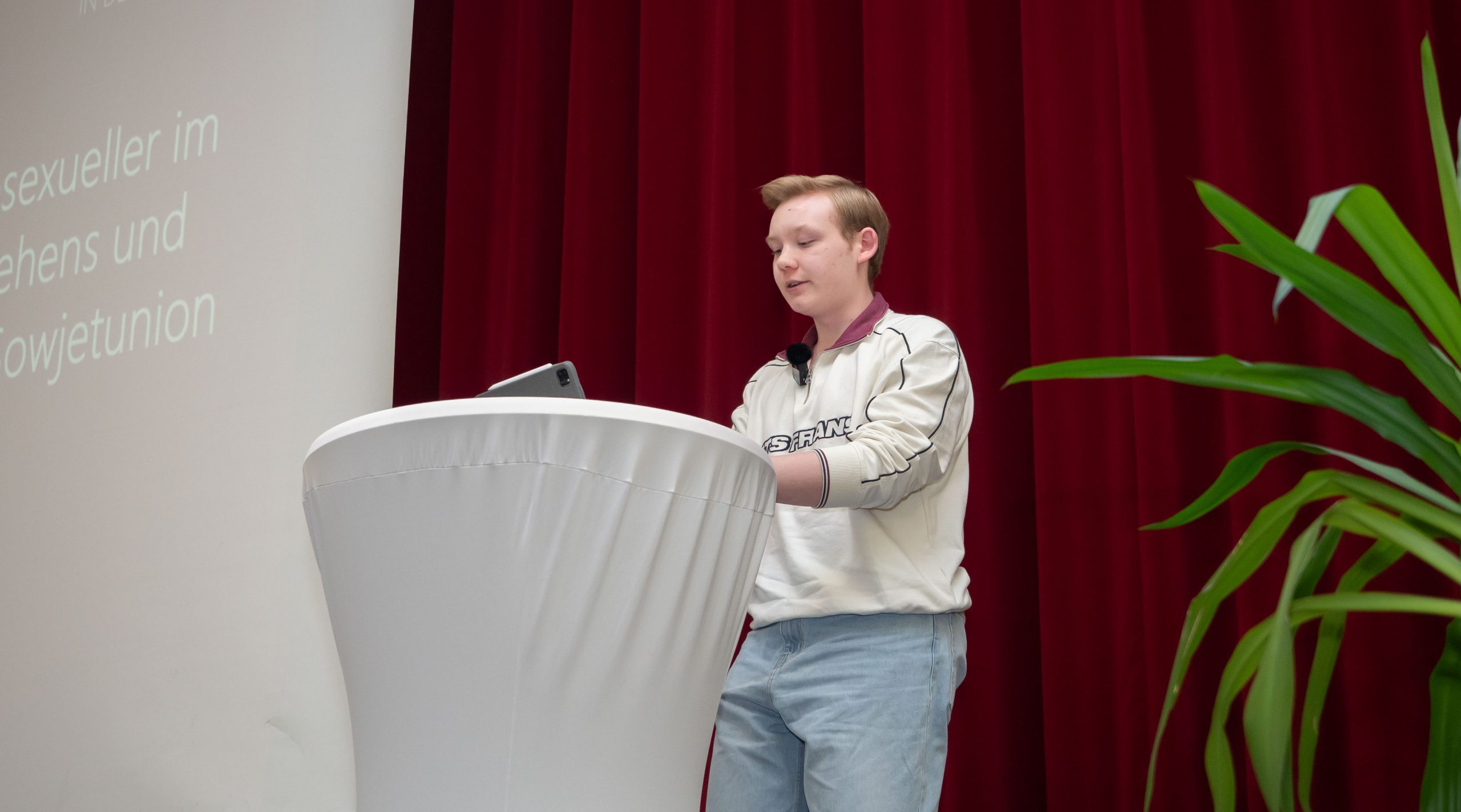
The social treatment of homosexuality remains a highly controversial issue worldwide to this day. In his lecture "Homosexuality in the Soviet Union," Mark Isbrecht showed how restricted the lifestyle of affected individuals was. He also described the difficulties of dealing with one's own tendencies, self-doubt about one's own personality, and the change in the situation after the collapse of the Soviet Union. His analysis was based on the young adult novel "Leto v pionerskom galstuke," which enabled him to examine how this topic is addressed in Russian literature.
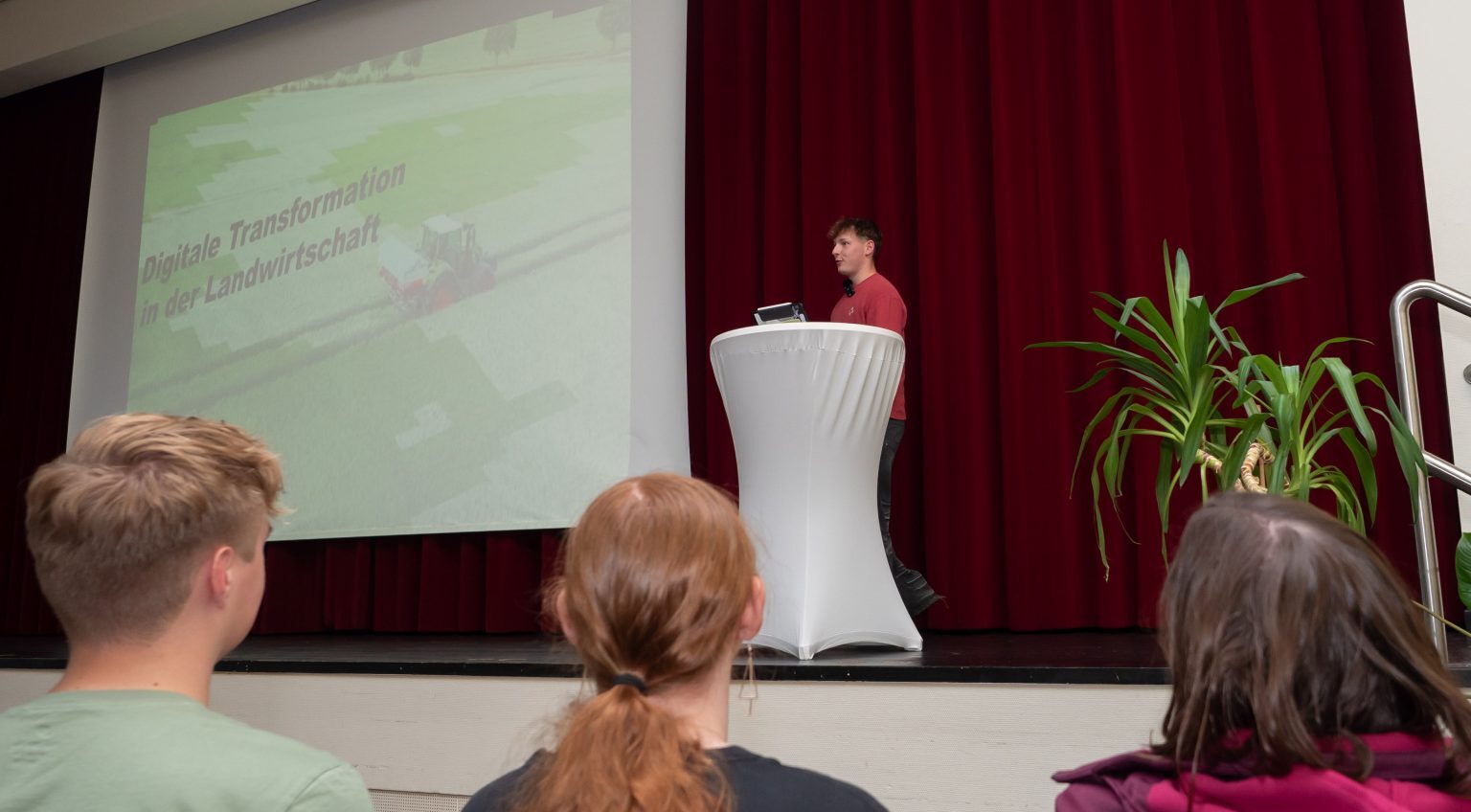
Mats Rolink dealt with German agriculture in his thesis and came to some interesting conclusions. German agriculture is undergoing structural change, which is increasingly forcing farms to make their production methods more efficient and economical in order to remain competitive in the long term. From a scientific and practical perspective, digitalisation within agriculture offers promising approaches for successfully meeting current and future challenges. Precision farming allows farmers to respond to the different potentials of soil and plants in a location-specific manner. This not only increases yields, but also reduces the use of inputs such as fertilisers and seeds.
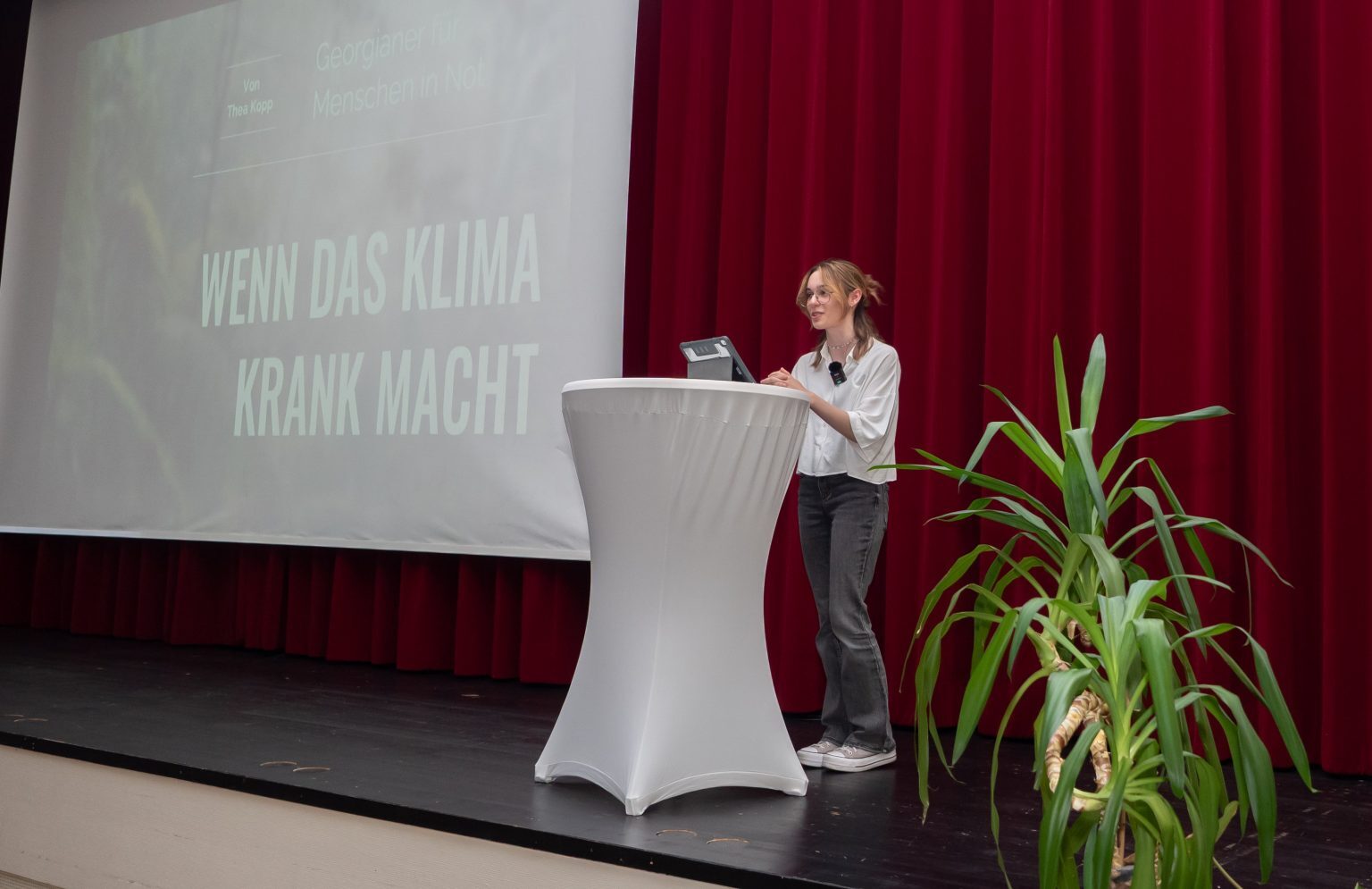
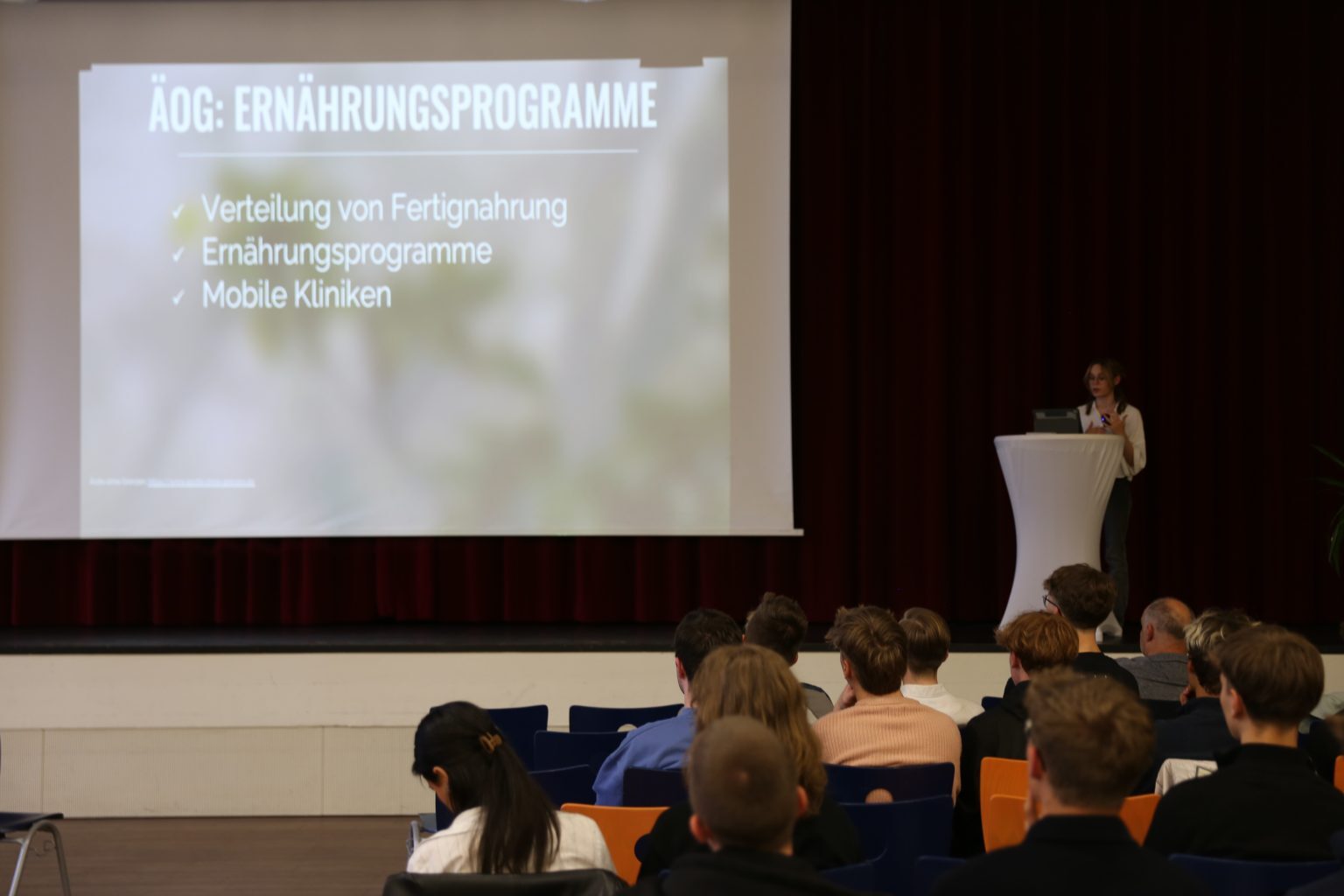
Dorothea Kopp presented climate change as a humanitarian crisis, using Mozambique as an example. It was important to her to emphasise the acute impact on the region and to appeal to the audience that the services provided by aid organisations such as "Doctors Without Borders" will no longer be sustainable in the future and that reducing emissions is an urgent necessity.
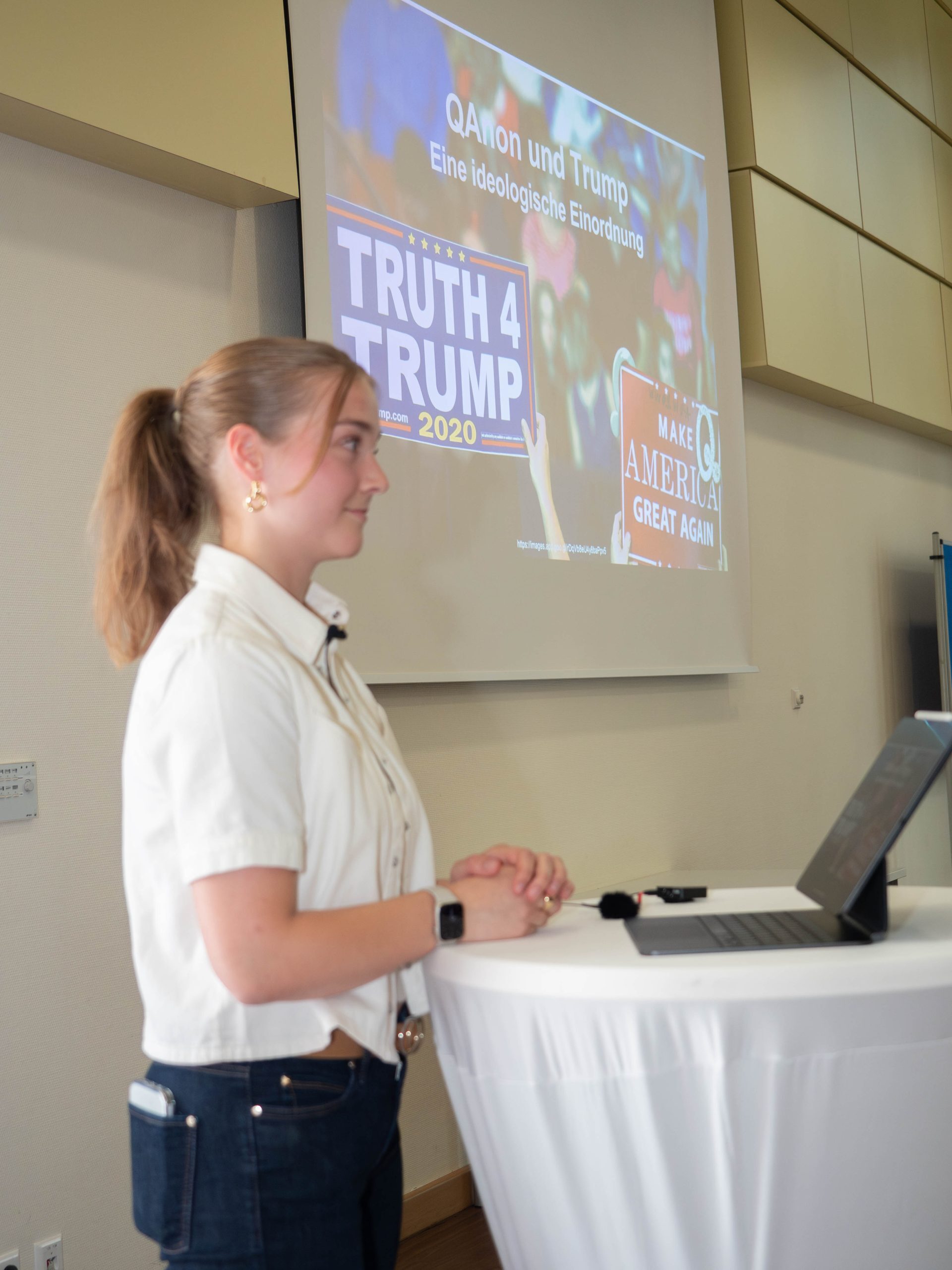
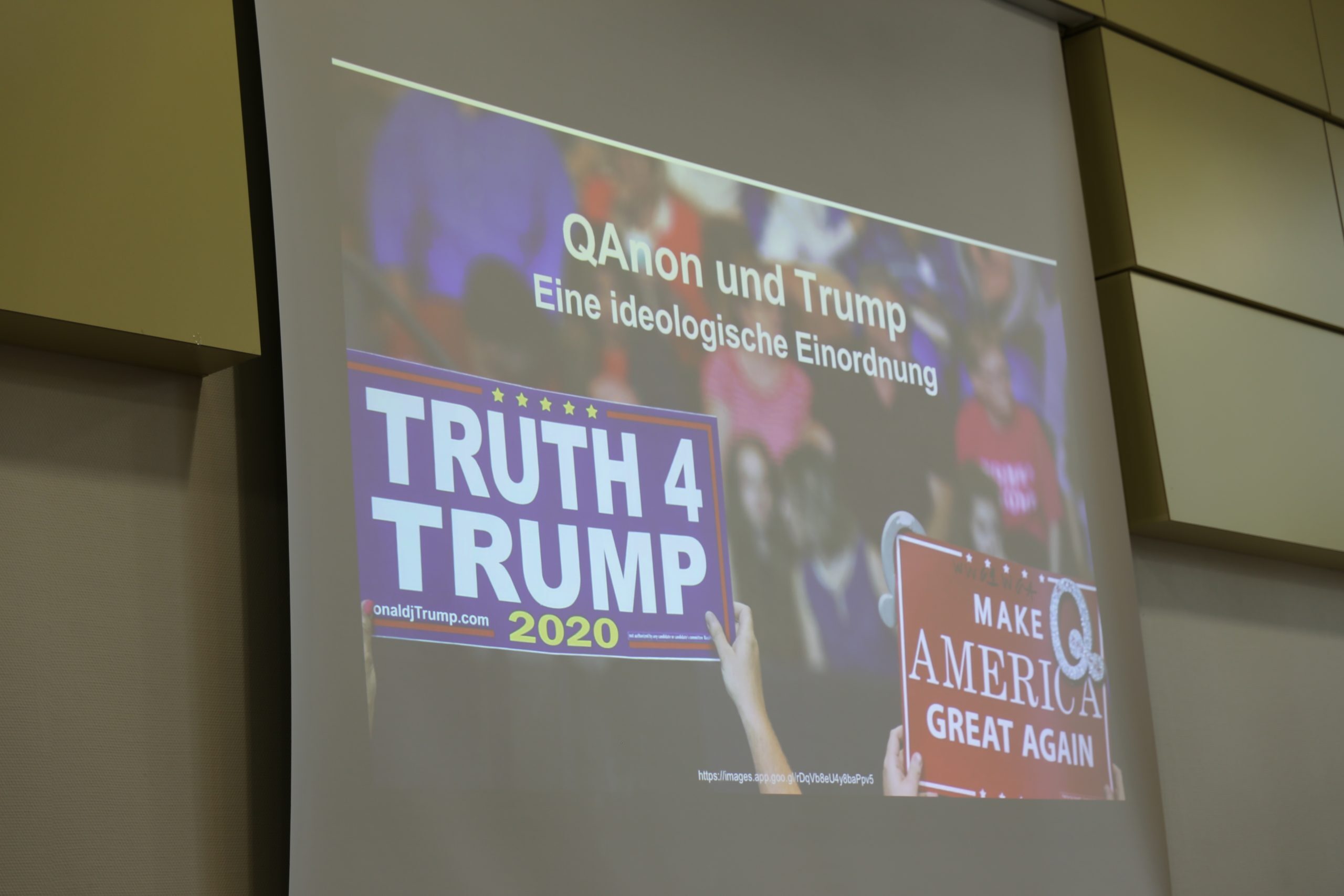
Paulina Degenhardt's presentation dealt with the QAnon movement in the USA, its ideological proximity to fascism and the role of Donald Trump. She showed that QAnon exhibits many fascist characteristics according to Eco and Griffin, such as the cult of the leader, irrationalism and palingenesis. Donald Trump serves as a symbolic figurehead for the movement by not clearly distancing himself from it and, in some cases, using it strategically. In conclusion, Paulina clearly demonstrated that QAnon poses a serious threat to democracy worldwide and to social cohesion.
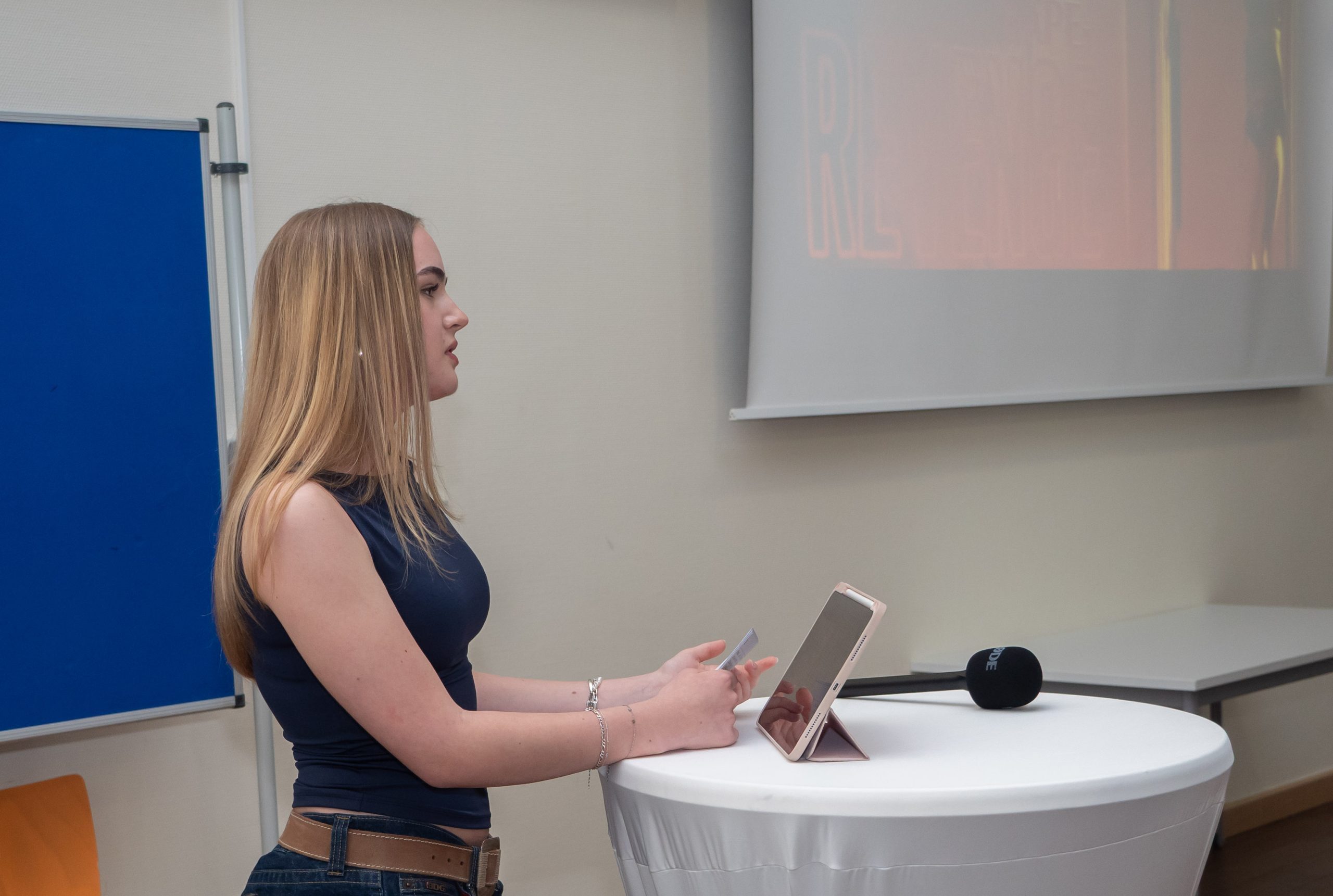
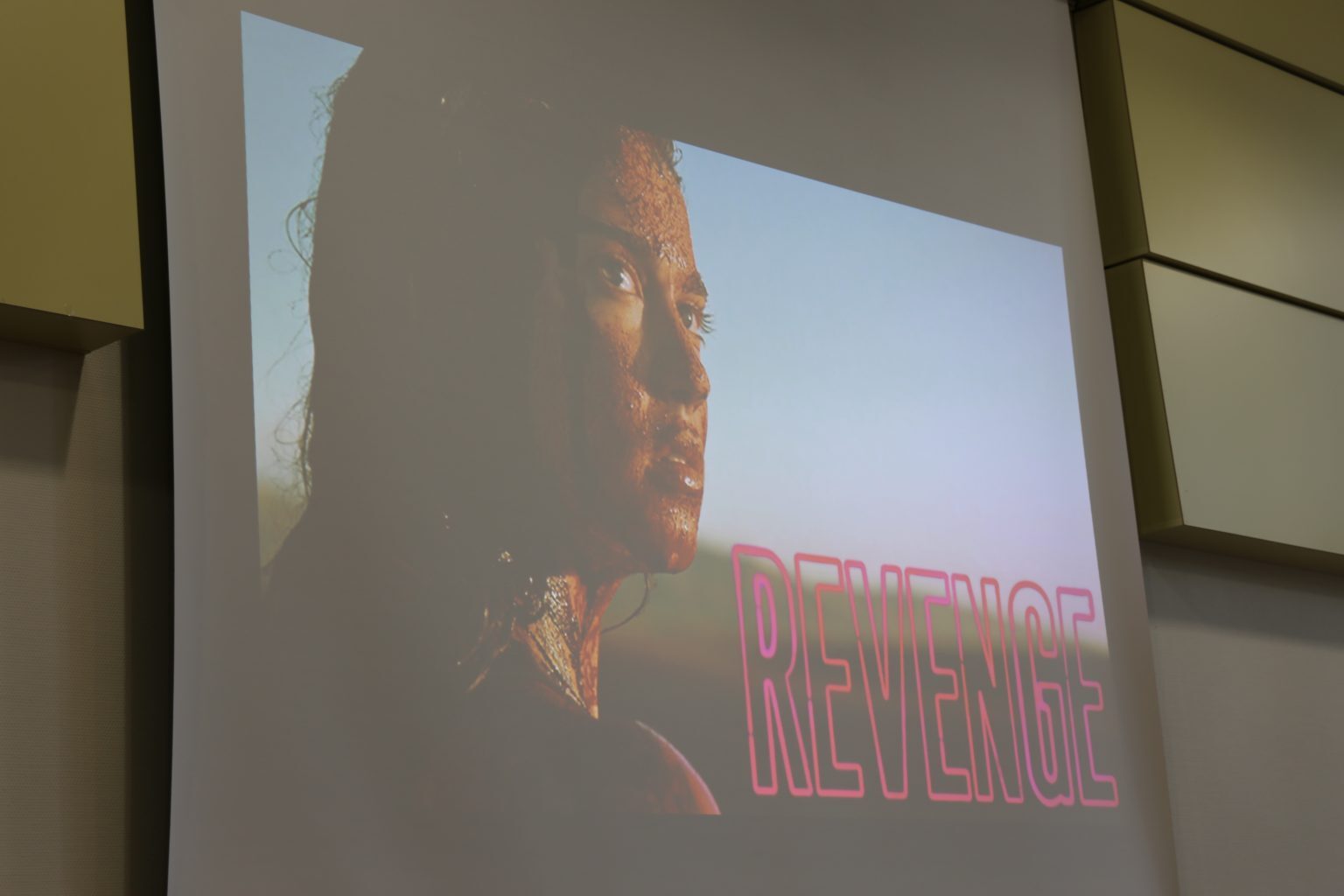
Patricia Thyen's presentation dealt with the transformation of the rape-revenge genre in film and showed how this genre, originally strongly influenced by exploitation and the "male gaze", has developed towards emancipation and a "female gaze". This was demonstrated using the very representative example of the film "Revenge". The rape-revenge genre focuses on the revenge of women following a rape depicted in the film. It became clear how the cinematic portrayal of female characters has changed from passive victims to active avengers.
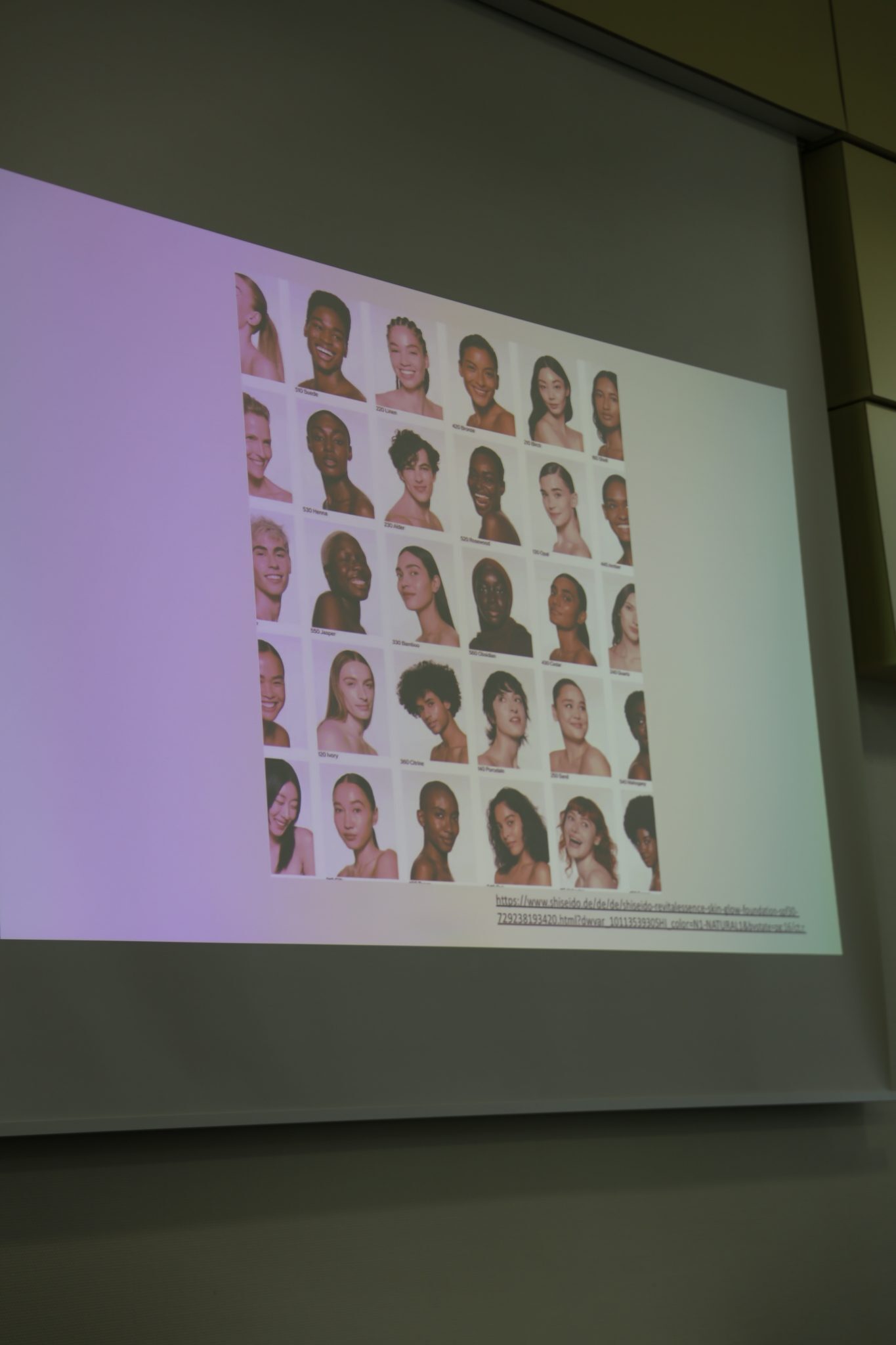
In their presentation, Laura Reixha and Eva Völk pointed out that digital images of beauty and women – from Instagram filters to ideals such as Tradwife or sex-positive feminism on OnlyFans – influence the identity, self-esteem and role models of young women. They reinforce social pressure and can cause psychological stress. Both concluded that it is important for young women to strive not for conformity to digital ideals, but for freedom of self-determination.
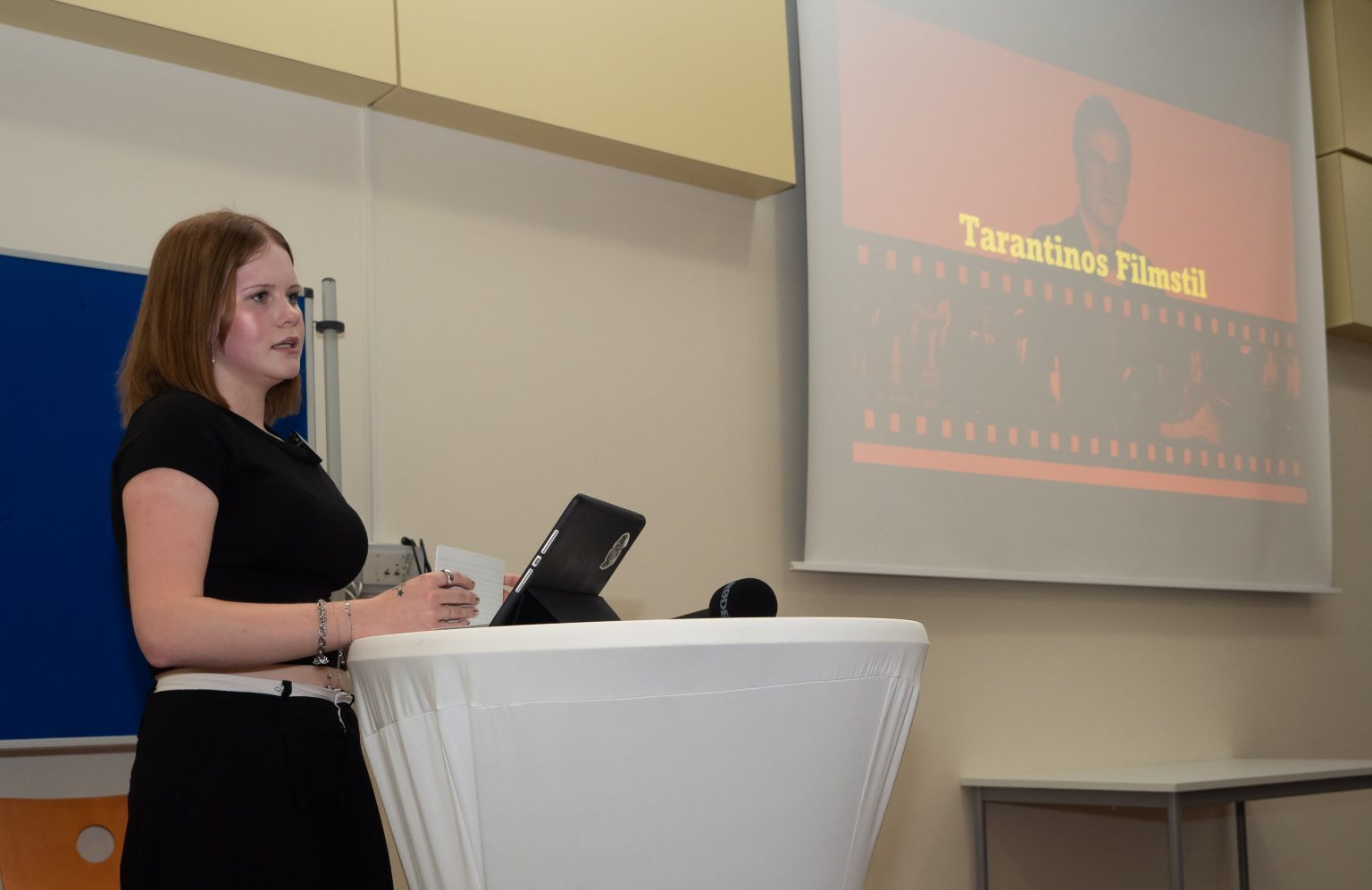
Johanna Scholz's presentation dealt with the aestheticised portrayal of violence in Quentin Tarantino's films. Using three film scenes as examples, she showed how violence was deliberately exaggerated and stylised to be more than mere brutality. Tarantino combines entertainment with visual art and deliberately plays with the expectations and emotions of the audience, moving between "L'art pour l'art", critical reflection and catharsis. His violence provokes, fascinates and raises questions about morality, impact and the role of the viewer.
In her presentation, Merle Altmeppen explained that Sophie Scholl is a timeless example of the importance of moral courage and the unconditional fight for justice. Merle pointed out that these aspects are more important than ever, not least because of growing extremism in Germany. Sophie's life and work remind us of our responsibility to never forget the victims of the Nazi dictatorship.
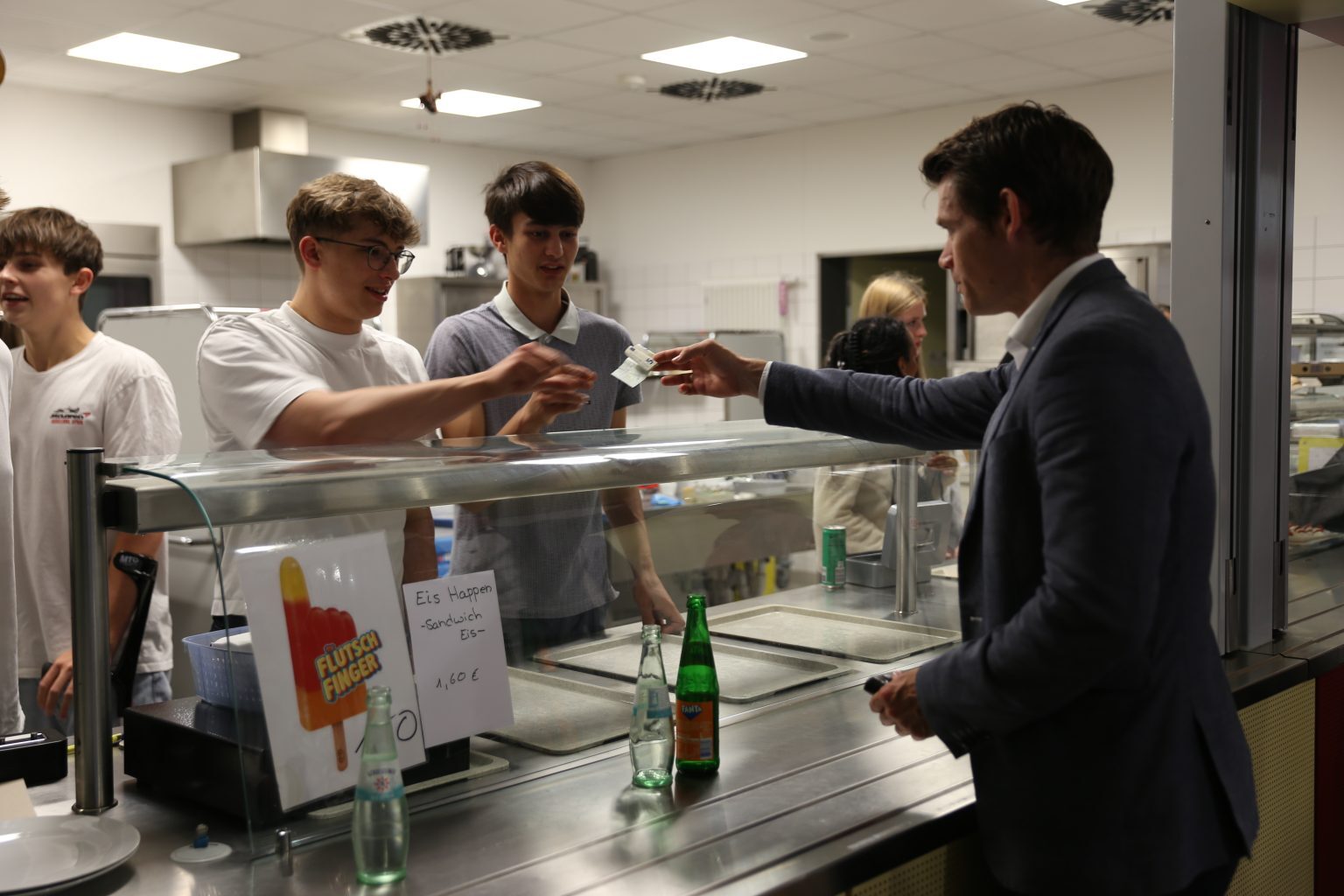
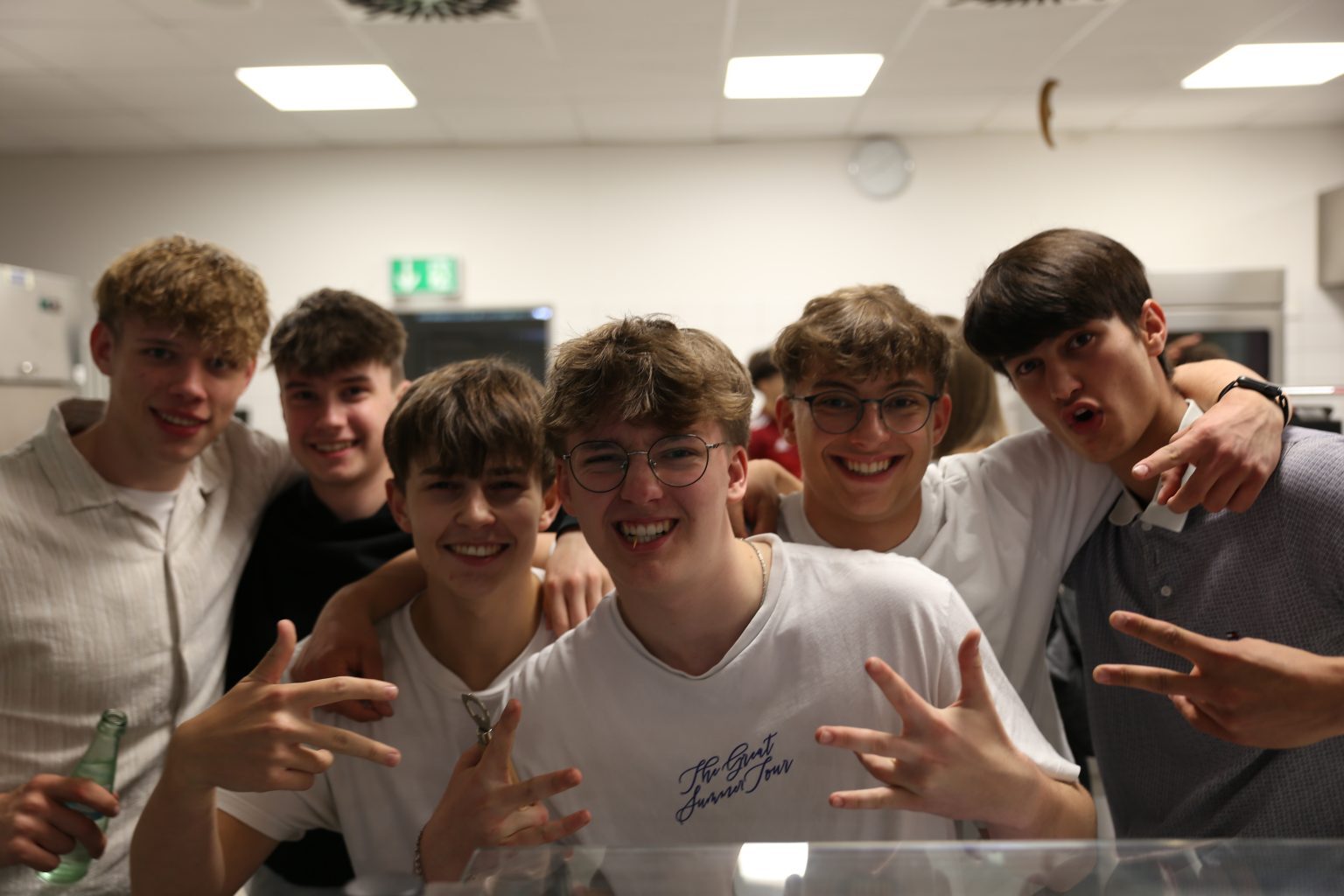
A big thank you goes to Helping Hearts, who support children in need with their sales. The audience was able to enjoy numerous snacks during the break. The 12th grade organised the drinks. Our thanks also go to them. The Gemixed AG around Fabian and Jona also contributed to the profitable evening.
Authors: Eva Völk and Laura Rexha, Paulina Degenhardt, Mats Rolink, Johanna Scholz, Patricia Thyen, Mark Isbrecht, Dorothea Kopp, Merle Altmeppen, Katharina Schukowski, Femke Hollender, Martin Glosemeyer
Images: Stefan Roters, Paulina Degenhardt